
China’s civilizational plans: how ideas of civilization, nationalism and economics shape China’s new global thinking
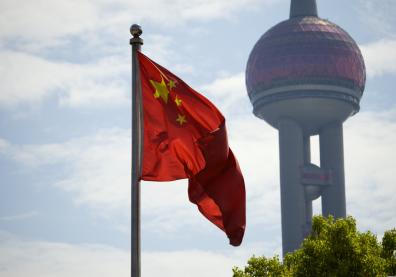
Titre : "China’s civilizational plans: how ideas of civilization, nationalism and economics shape China’s new global thinking"
Invité : Rana Mitter (Harvard Kennedy School)
Discutants : Juliette Genevaz (Université Jean Moulin Lyon 3, IFRAE) et David Serfass (Inalco, IFRAE)
Résumé : Today’s China has complex and fast-developing ideas about how it should project its own image and ideology in an increasingly turbulent world. This talk will examine the ways in which China is combining universalist ideas of civilization, drawing in part on Chinese premodern thinking, with a stronger sense of nationalism in its internal political debates. This process is being translated into its growing international influence in areas from United Nations governance to the green energy transition. The tension between universalist and civilizational ideas has shaped Chinese thinking from the late 19th century onward and continues to be central to thinking in the early 21st century as the country rises to global power.
Date, horaires : 8 juillet 2026, 14:00-16h00 (heure de Paris)
Lieu : Paris, Inalco - Maison de la recherche (2 rue de Lille, 75007 Paris), auditorium Dumézil
(réservation requise)
Coordination de l'axe Indo-Pacific (WP4) : Jean-François Huchet (Inalco), Rémi Castets (Université Bordeaux Montaigne), Jérôme Doyon (Sciences Po) et Christophe Jaffrelot (Sciences Po). With Alexandre Gandil, chercheur postdoctoral (Université Bordeaux Montaigne, D2iA / Programme DÉCRIPT).
Les échanges se dérouleront en anglais.
Les inscriptions sont ouvertes jusqu'au 6 juillet à 18h00 :