Diplomacy, cooperation and intergovernmental competition in the Indo-Pacific
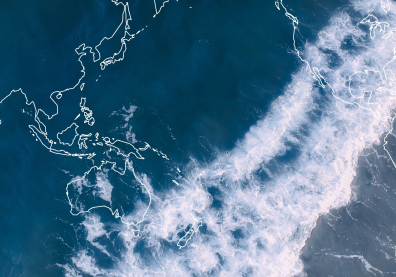
The challenges concentrated in the vast Indo-Pacific region make it a arena for rivalry between major powers against a backdrop of growing tensions between China and the United States. Inalco University and the French Association for the United Nations (AFNU) are organising two round-table discussions aimed at exploring the forms of cooperation emerging within this context of rivalry. The first round-table discussion will focus on the trajectories of China, India and Japan, as well as on mini-multilateral cooperation. The second will examine the role of regional organisations as an extension of major UN multilateral initiatives, against a backdrop of a proliferation of organisations, with the aim of fostering a shared regional identity. Against this backdrop, what are France’s strengths, and what actions is it taking? What are France’s objectives and instruments, in conjunction with the EU and its major strategic partners?
Programme
Opening
9.00–9.15 am
Welcome address – Jean-Maurice Ripert, President of the French Association for the United Nations
Opening remarks – Delphine Allès, Acting Director of Inalco University, Academic Director of the DÉCRIPT programme, Professor of Political Science (identities and international relations, civilisational narratives, multilateral cooperation, Indo-Pacific)
9.15 am–10.20 am – Round Table 1: Great Power Rivalries in the Indo-Pacific
Moderator : Elsa Lafaye de Micheaux, Professor of Political Economy (South-East Asia), Inalco University – moderator
- China and Indo-Pacificism
Speaker : Sébastien Colin, senior lecturer in geography (China), Inalco University - Japan, a founding power of free and open Indo-Pacificism
Speaker : Guibourg Delamotte, Professor of Political Science (Indo-Pacific security, Japanese politics), Inalco University - Indo-Pacificism and multi-alignment: India’s unique approach
Speaker : Isabelle Saint-Mézard, Professor of Geopolitics (Geopolitics of South Asia), Paris 8 Vincennes Saint-Denis - In the Indo-Pacific, sub-regional ‘minilateralism’ challenges the pre-eminence of long-established transnational organisations
Speaker : Ambassador Christian Lechervy - Q&A
10.20–10.40 – Coffee break
10.40–12.10 – Round Table 2: Regional organisations, multilateralism, cross-cooperation and France’s position
Moderator: Sarah Mohamed-Gaillard, Senior Lecturer in Contemporary History, HDR, Inalco University (historian specialising in Oceania) – moderator
- Regional organisations in the Indo-Pacific region and the management of major multilateral initiatives: rivalries and complementarities
Speakers: Matthieu Discour, Director of Trois Océans, AFD, and Captain Sébastien Perruchio, Maritime Security Coordinator, DGRIS - France’s Indo-Pacific Strategy, multilateralism and sovereignty partnerships
Speaker : Ambassador for the Indo-Pacific Dana Purcarescu - France’s active participation and role, alongside its overseas territories, within regional organisations in the Indian Ocean
Speaker: Ambassador Jean-Claude Brunet, responsible for regional cooperation in the Indian Ocean - Two concrete examples of regional cooperation involving France: fisheries management and monitoring, and natural hazard management
Speakers: Éric Banel, Director-General for Maritime Affairs and Fisheries, and Frédéric Tournay, Ministry of the Interior, Civil Protection. - Questions and answers
12.10–12.15: Closing remarks
Scientific organisation
Professors Guibourg Delamotte, Ifrae (UMR8043) and IUF, and Elsa Lafaye de Micheaux, Case (UMR8170).
Programme organisation
Ambassadors Jean-Claude Brunet, Christian Lechervy and RichardNarich
Communications and hospitality
Second-year students from Mylène Hardy, Senior Lecturer and Director of the Intercultural and International Communication programme (Com2i), Inalco University.