Institutions, Civilisation, and Freedom: Taha Hussein’s Anti-Colonial Project
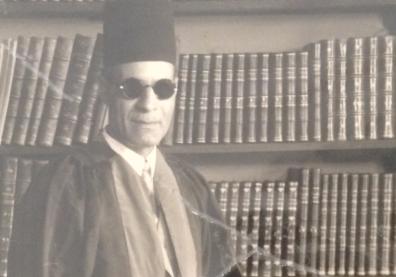
Title: Institutions, Civilisation, and Freedom: Taha Hussein’s Anti-Colonial Project
Guest: Hussam R. Ahmed (History Department, Carleton University)
Abstract: Taha Hussein (1889–1973) is often remembered as a literary critic, man of letters, and advocate of modern education. Yet his broader intellectual project can also be understood as a response to what he perceived as a civilisational challenge posed by European domination in the modern era. Drawing upon the Nahda’s commitment to critical engagement with both Arab-Islamic heritage and modern knowledge, Taha Hussein sought neither the rejection of Europe nor its wholesale imitation. Instead, he envisaged universities, language academies and democratic institutions as the foundations of cultural renewal. He believed such institutions would create the conditions under which Egyptians could participate as equal contributors to modern civilisation. For Taha Hussein, this goal was inseparable from freedom, understood through the cultivation of knowledge, critical inquiry, citizenship and self-government. This lecture examines the intellectual and institutional dimensions of Taha Hussein’s anti-colonial project and situates it within broader debates on colonialism, modernity and the future of the Arab world.
Date and times: Tuesday 20 October, 2.00 pm–5.00 pm
Venue : INALCO Research Centre (2, rue de Lille, 75007) - Silvestre de Sacy Room
Coordination of the Africa research strand (WP6) : Laetitia Bucaille (Inalco), Gilles Dorronsoro, Alia Gana (Paris 1 Sorbonne University) and Valentina Napolitano (IRD) with Jan-Markus Vömel, postdoctoral researcher, DÉCRIPT programme.
Registration is open until 19 October at 12.00: