LANG-PACT: A Look Back at the Project's Final Workshop Held in Florence
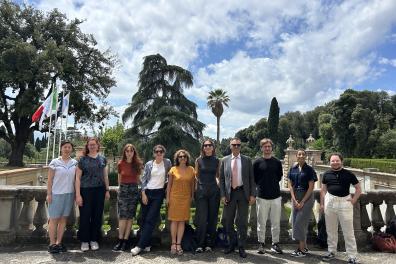
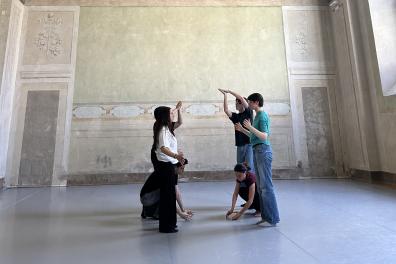
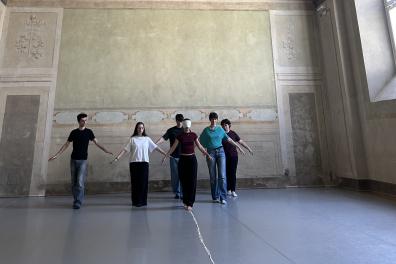
Over the course of two days, researchers and doctoral students discussed how languages shape identities, relationships with others, and the ways in which knowledge is transmitted. The program featured roundtable discussions, presentations by young researchers, meetings with the Historical Archives of the European Union, and a dialogue with artistic practices, particularly focusing on the choreographic work of Virgilio Sieni, a leading figure in Italian contemporary dance.
This workshop marked an important milestone for LANG-PACT, paving the way for the dissemination of the videos and findings from the survey conducted among students and young researchers, as well as the publication of open-access resources on the LaCAS. A total of about ten videos and a study on the concept of well-being as perceived by undergraduate and graduate students at the consortium’s partner universities will soon be posted on this platform.
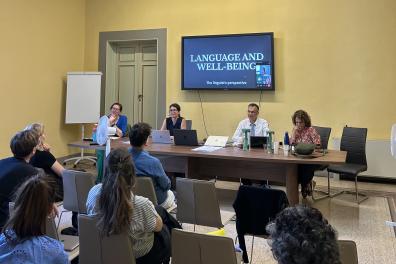
LANG-PACT is one of the winning projects of the EUniWell funding program (EUniWell Seed Funding Program). It explores the deep connection between linguistic diversity and sustainable well-being. Languages are not merely tools for communication, but true living archives of memory and environmental wisdom, which are essential to emotional and social well-being. In response to the crisis of linguistic diversity, the project aims to raise awareness of linguistic heritage as a key resource for building a shared, sustainable, and inclusive future.