Tajikistan-Afghanistan. A border on the edge of the Pamir
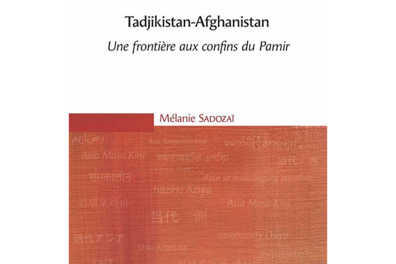
The Centre de Recherches Europes-Eurasie-CREE (Inalco) is pleased to announce the publication of Mélanie Sadozaï's book, Tajikistan-Afghanistan. Une frontière aux confins du Pamir published by Presses universitaires de la Méditerranée (PULM).
Book presentation text
What if Afghanistan represented a boon rather than a danger? While a decades-long conflict rages across almost the entire country, the high Pamir Mountains in the north of the country have been preserved from violence and chaos. The physical and political isolation of the Pamir minorities has produced intense contacts on both sides of the Amu Darya, separating Afghanistan from Tajikistan.
From the arrival of NATO troops in Afghanistan to the return to power of the Taliban, cross-border markets, medical mobility and family crossings mark the landscape of a border fiercely associated with drug trafficking and instability. These exchanges guarantee the survival of border communities abandoned by central regimes perceived as obsolete and corrupt.
How can a supposedly dangerous border offer opportunities to its inhabitants? Who are the actors fostering these new cross-border connections? Supported by extensive ethnographic surveys of this high-altitude border, this work plunges us into the everyday life of a reclusive but connected place, and deconstructs the presuppositions associated with so-called "sensitive" borders.
Author of the book
Mélanie Sadozaï is a PhD in political science and international relations from INALCO and a teacher-researcher at the University of Regensburg. Her work focuses on cross-border relations in Pamir, where she has been conducting ethnographic research since 2014.