
Publication of ‘Investigative Journalism in China’
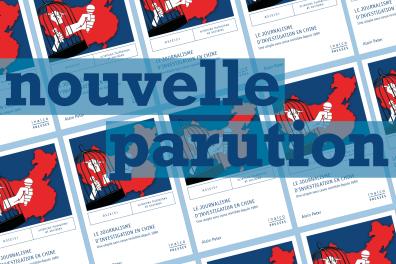
The tainted milk scandal, corruption, industrial disasters: from the 1980s onwards, Chinese investigative journalists began exposing to the public abuses attributable to those in power. In a media system controlled by censorship but energised by Deng Xiaoping’s economic reforms, the Communist Party tolerated these investigations, as they were useful for monitoring local leaders and rectifying the most glaring shortcomings of its own policies.
However, journalists were not content with this role and sought to tackle sensitive issues of national significance. From the golden age of investigative journalism between 1990 and 2000 to its decline under Xi Jinping’s rule, this book examines the shifting boundaries of their autonomy. Whilst control has tightened since 2012, investigative journalism has held its ground, particularly with the emergence of new digital media in the 2020s.
Drawing on coverage of numerous cases and interviews with journalists in Beijing, Shanghai and Guangzhou, the author shows how these journalists manage, through various strategies, to continue their quest for the truth.