Witches, sorcerers and witchcraft in the Shāhnāma, and a closer look at the Barzūnāma manuscript tradition
With Prof. Gabrielle van den BERG, Leiden University
Witches, sorcerers, and witchcraft in the Shāhnāma and a closer look at the Barzūnāma manuscript tradition
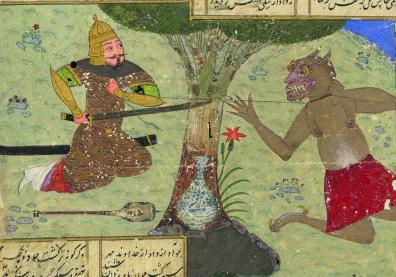
One of the major so-called secondary or later epics, composed as a sequel to the ‘unfinished’ life of Suhrāb, so tragically cut short by his own father Rustam, is the story of Barzū or Burzū. Particularly from the 15th century onwards, stories about this formidable grandson of Rustam frequently appear as interpolations in Shāhnāma manuscripts. Barzū also features prominently in the oral traditions associated with the Shāhnāma, and these oral traditions found their way ‘back’ into the manuscript tradition in the form of tumārs or ‘scrolls’, representing the stories that were orally delivered and performed, and also in a few manuscripts, such as, for example, the voluminous manuscripts BnF Supplément persan 499 and 499a of the Bibliothèque Nationale in Paris. In this lecture, we will look specifically at one particular part of the Barzū cycle: the story of the witch Sūsan as featured in BnF Supplément persan 497, in relation to the wider topic of witchcraft and sorcery in the Shāhnāma.